

The Role of Document Control in ISO Compliance

Accurate and up-to-date documentation is the backbone of any effective quality management system. When your organization aims to meet ISO standards, managing documents properly becomes essential. Without strong document control, you risk inconsistencies, errors, and even non-compliance during audits. This article will guide you through the key requirements of document control in ISO compliance, highlight common mistakes, and share best practices to help you manage quality documents confidently.
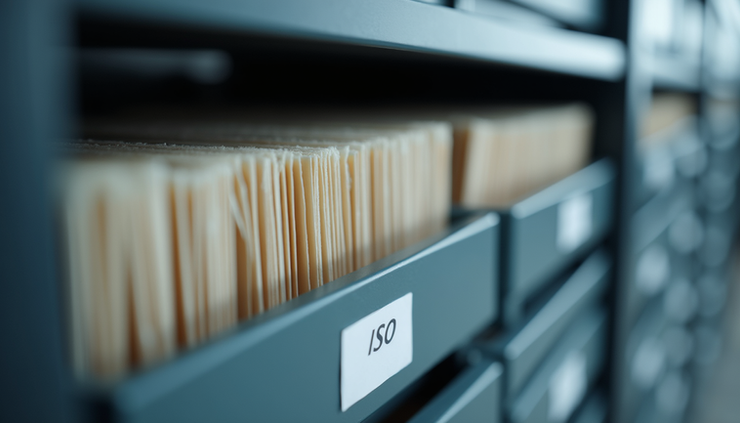
Understanding Document Control in ISO Standards
ISO standards such as ISO 9001 require organizations to establish and maintain documented information that supports the effective operation of their quality management system. Document control ensures that:
Documents are created, reviewed, approved, and updated systematically.
Only the latest versions of documents are available to users.
Obsolete or superseded documents are removed or clearly marked.
Documents are accessible to relevant personnel when needed.
Confidentiality and security of documents are maintained.
This control prevents confusion caused by outdated or incorrect information, which can lead to errors in processes, products, or services.
Key Document Control Requirements in ISO Compliance
To meet ISO requirements, your document control system should cover the following areas:
Identification and Classification
Each document must have a unique identifier, title, version number, and date. This helps track revisions and ensures users access the correct document.
Review and Approval Process
Documents should be reviewed and approved by authorized personnel before release. This step confirms accuracy and relevance.
Version Control
Keep track of document revisions. Clearly mark the current version and archive previous versions to avoid confusion.
Distribution and Accessibility
Documents must be distributed to the right people and departments. Access controls should prevent unauthorized changes or viewing.
Retention and Disposal
Define how long documents are retained and the process for secure disposal when no longer needed.
Change Management
Any changes to documents require formal approval and communication to affected users.
Common Mistakes in Document Control
Many organizations struggle with document control, which can jeopardize ISO compliance. Watch out for these pitfalls:
Using Outdated Documents
Employees may unknowingly use old versions if the system does not clearly identify current documents.
Lack of Clear Responsibility
Without assigned owners for documents, updates and reviews can be missed.
Poor Accessibility
Documents stored in hard-to-find locations or without proper indexing cause delays and errors.
Inconsistent Formats
Different document formats and styles create confusion and reduce professionalism.
Ignoring Document Security
Sensitive documents without access restrictions risk unauthorized changes or leaks.
Best Practices for Managing Quality Documents
Implementing strong document control practices will help you maintain ISO compliance and improve overall quality management. Consider these tips:
Use a Centralized Document Management System
Digital platforms designed for document control provide version tracking, access control, and audit trails. This reduces manual errors and saves time.
Assign Document Owners
Designate responsible individuals for each document to ensure timely reviews and updates.
Standardize Document Templates
Create consistent formats for all documents to improve readability and professionalism.
Train Employees on Document Control Procedures
Make sure everyone understands how to access, use, and update documents correctly.
Regularly Audit Document Control Processes
Conduct internal checks to verify that documents are current, approved, and properly distributed.
Keep a Document Register
Maintain a list of all controlled documents with details such as version, status, and review dates.
How Document Control Supports Continuous Improvement
Document control is not just about compliance; it also supports ongoing improvement. When your documents are accurate and accessible, you can:
Identify process gaps and inefficiencies more easily.
Track changes and their impacts over time.
Ensure corrective actions are documented and followed up.
Share lessons learned across teams.
This transparency helps your organization adapt and improve quality consistently.

Practical Example: Document Control in a Manufacturing Company
Imagine a manufacturing company that produces electronic components. They must comply with ISO 9001 to assure product quality. Their document control system includes:
A digital platform where all quality manuals, work instructions, and inspection reports are stored.
Each document has a unique code, version number, and approval signature.
When engineers update a work instruction, the system notifies affected production staff.
Old versions are archived but remain accessible for audit purposes.
Access to sensitive documents is restricted to quality and production managers.
This setup reduces errors on the production line, ensures everyone follows the latest procedures, and simplifies audits.
Final Thoughts on Document Control and ISO Compliance
Strong document control is essential for meeting ISO standards and maintaining quality. By organizing your documents clearly, assigning responsibilities, and using effective tools, you reduce risks and improve consistency. Remember that document control is a continuous process that supports your organization's growth and quality goals.
Start by reviewing your current document control practices. Identify gaps and implement improvements step by step. This approach will help you build a reliable system that stands up to audits and drives better results.
Take action today to strengthen your document control and keep your ISO compliance on track.


Comments